The Stockholm Archipelago Island by Island: Which Ones You Can Reach
The short answer
About 24,000 islands, but a day tour reaches the inner band only. Vaxholm is the one town these trips land in; Grinda, Moja and Sandhamn need the public ferry network.
The three bands, and why they matter
The archipelago is not one place. It is a gradient, and knowing where you are on it explains almost everything about what you will see.
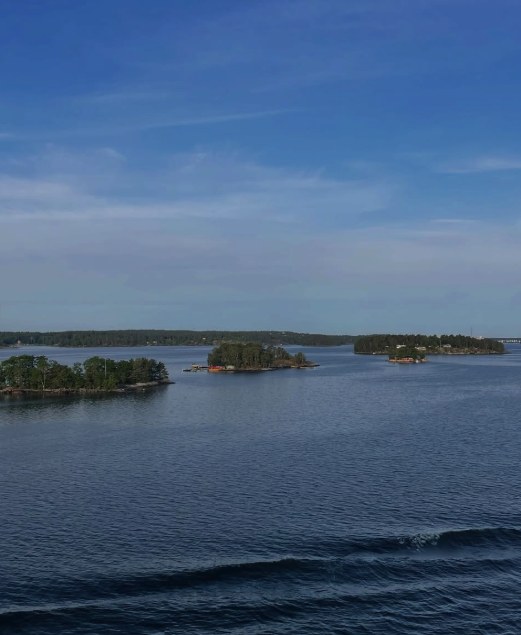
The inner band is wooded, sheltered and close — Fjaderholmarna sits twenty-five minutes from the quay, with trees down to the waterline. The middle band, around Grinda and Svartso, is where the islands thin and the water opens. The outer band, past Sandhamn and out to Rodloga, is low granite, scrub and horizon, with the forest largely given up.
The whole system runs from Oja, south of Nynashamn, to Vaddo north of Norrtalje. It covers about 1,700 square kilometres of which only 530 is land, and it is still rising out of the sea at roughly three millimetres a year.
The islands a day tour actually reaches
This is the part most guides skip. A two-hour cruise physically cannot reach the middle archipelago and return. Here is the honest mapping.
| Island | Band | Reached by |
|---|---|---|
| Fjaderholmarna | Inner | Passed by most guided cruises |
| Stora Hoggarn, Tegelon | Inner | Named on several cruise routes |
| Vaxholm | Inner edge | The ferry excursion lands here; the kayak day paddles it |
| Grinda, Svartso, Moja | Middle | Public ferry only |
| Uto, Nattaro | South | Public ferry; the sailing day works this water |
| Sandhamn, Rodloga | Outer | Seasonal fast boats; beyond a day tour |
Fjaderholmarna
The closest islands to the city and the usual first taste of the archipelago. Twenty-five minutes out, with restaurants, a boatyard and open rock to sit on. Close enough that almost every sightseeing cruise passes them, and substantial enough to be a destination rather than a waypoint.
Vaxholm
The town treated as the gateway to the archipelago, about an hour out by scheduled boat. Ochre and cream wooden houses, a working harbour, and a fortress on the island opposite. Unlike most archipelago islands it carries a genuine range of restaurants, bars and cafes, which is why it works as a half-day destination on its own.
Grinda
Middle archipelago, largely run as a nature reserve, and the classic Stockholm day trip. Grinda Wardshus, the island inn, serves a traditional menu in a setting that earns it. Swimming beaches, meadows and short paths make it easy to fill a day without a plan.
Sandhamn
The sailing capital, out where the deep-water channel comes in from the Baltic. Regattas, a long sand beach and a harbour crowded with masts through July. One of the archipelago's three deep-draught shipping entrances passes here, which is why the water is so heavily used.
Uto
A former iron-mining island in the south, carrying some of the oldest mine workings in Sweden. Today it runs on cycling, swimming and a bakery that people plan a day around. It has enough restaurants and cafes to sustain a full visit.
Moja, Svartso and Finnhamn
The middle band proper. Moja is low and green with a fishing history and scattered villages. Svartso is unusually farmed, with a dairy heritage and forest paths. Finnhamn is a cluster of islets rather than one island, sheltered and shallow, and a favourite with kayakers.
Varmdo, Ljustero and Ingaro
The large near islands, close enough to the mainland to be reached by road, which is why they carry year-round communities rather than summer houses alone. Artipelag, the gallery and restaurant on Varmdo's shore, is a destination in its own right.
Dalaro and Rodloga
Dalaro is a historic customs and pilot station in the south, with wooden villas, a sheltered harbour and wrecks that draw divers. Rodloga is the opposite extreme: far out in the northern outer band, rocky, almost treeless, a handful of houses and a great deal of horizon.
What life is actually like out there
Roughly 10,000 permanent homes sit against about 50,000 holiday homes, which tells you what kind of place this is now. In 1719 the recorded population was around 2,900, almost all fishermen. The working fishing economy has largely gone, replaced by a summer economy that empties for ten months of the year.
That is why so many islands have one shop, one inn and a ferry timetable that changes with the season. It also explains the red cottages: those are not a decorative style, they are the dominant form of settlement on the rocks you photograph from the boat.
Staying overnight
Most visitors treat the archipelago as a day trip, and for a first visit that is right. If you have longer, an overnight changes the place completely — the day boats leave, the light goes long, and the island belongs to whoever stayed. Finnhamn has a hostel, Grinda and Svartso have lodges, and Uto and Vaxholm have proper hotels.
The catch is the timetable. Public ferries to the middle band run a handful of times a day and thin out sharply outside summer, so an overnight needs planning around the boat rather than the bed.
Names, and what they tell you
Swedish island names are unusually literal once you know the endings. -holm is an islet, -o or -on an island, -skar a skerry, and -hamn a harbour. Fjaderholmarna is the feather islets; Sandhamn is the sand harbour; Rodloga carries the red of its granite.
Reading the map that way tells you what to expect before you get there. A name ending in -skar is bare rock, and a name ending in -hamn has somewhere to tie up. Guides on the cruises point this out, and it is the detail most passengers remember afterwards.
Choosing by what you want from the day
- A first taste, minimum effort: a guided cruise past Fjaderholmarna.
- A town to walk around: Vaxholm, on the ferry excursion.
- Swimming and an inn: Grinda, on the public ferry network.
- Sailing culture: Sandhamn, seasonal fast boats.
- Being in the landscape rather than looking at it: the kayak day around Vaxholm.
Practical logistics for all of these are on how to get to the Stockholm Archipelago, and the season changes what is open — see tours by season. Stockholm Archipelago Tours lists every departure with its price and rating, and the FAQs cover booking.
Book it
If you want to set foot in an archipelago town rather than pass it, the Vaxholm ferry excursion is the trip that does it.
Compare Stockholm Archipelago tours
Tours that reach these islands
The three departures that get closest to the islands on this list.
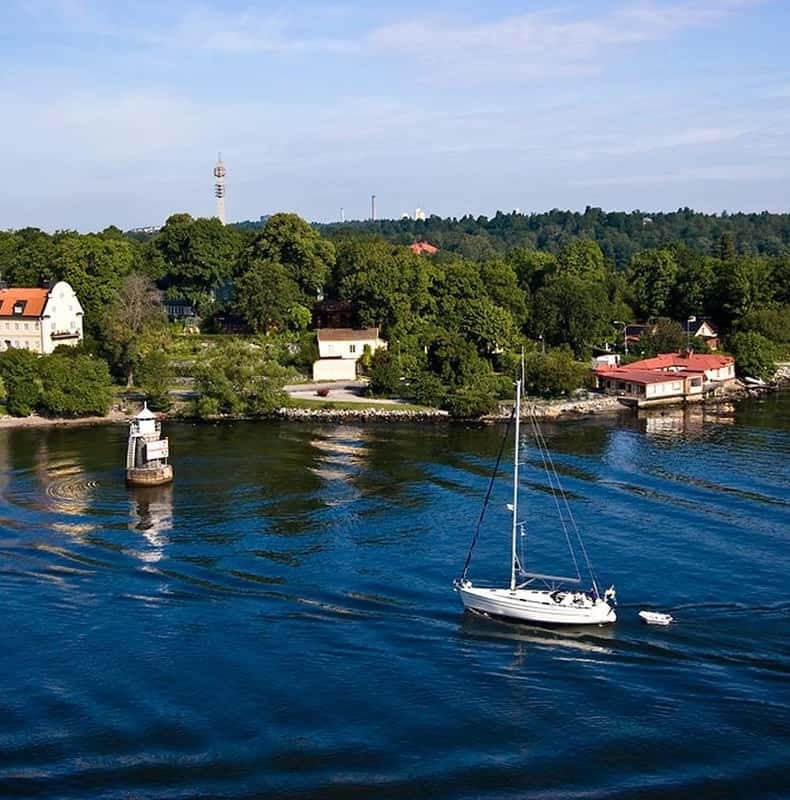
Vaxholm Archipelago Experience with Ferry & Swedish Fika
Lands in Vaxholm, the only archipelago town on any of these itineraries.
From $67 per person
Check Availability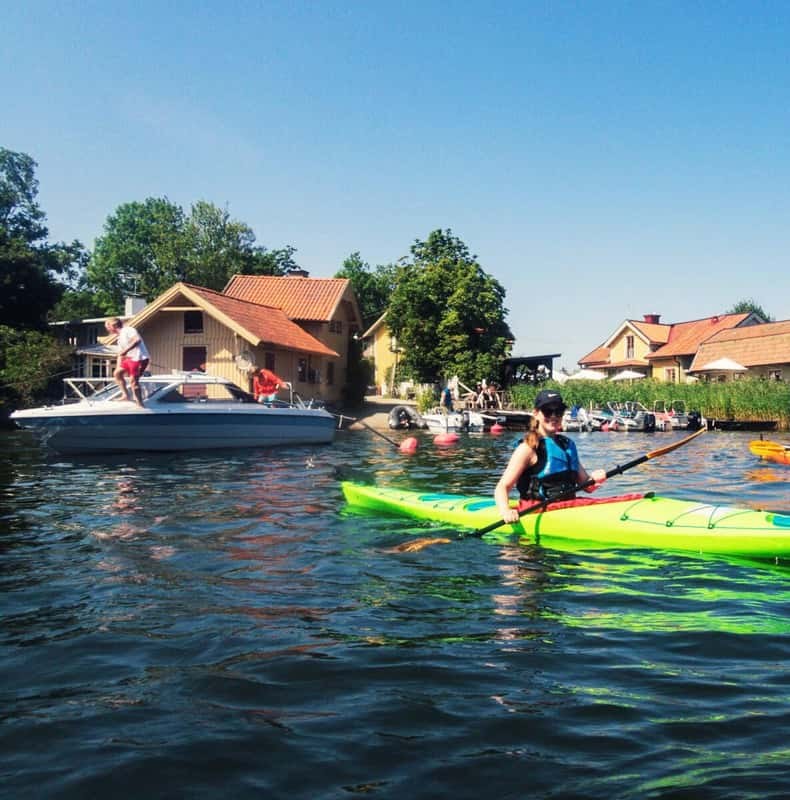
Stockholm Archipelago Islands Kayak Tour and Outdoor Picnic
Paddles between the islands around Vaxholm and stops on one for a picnic.
From $145 per person
Check Availability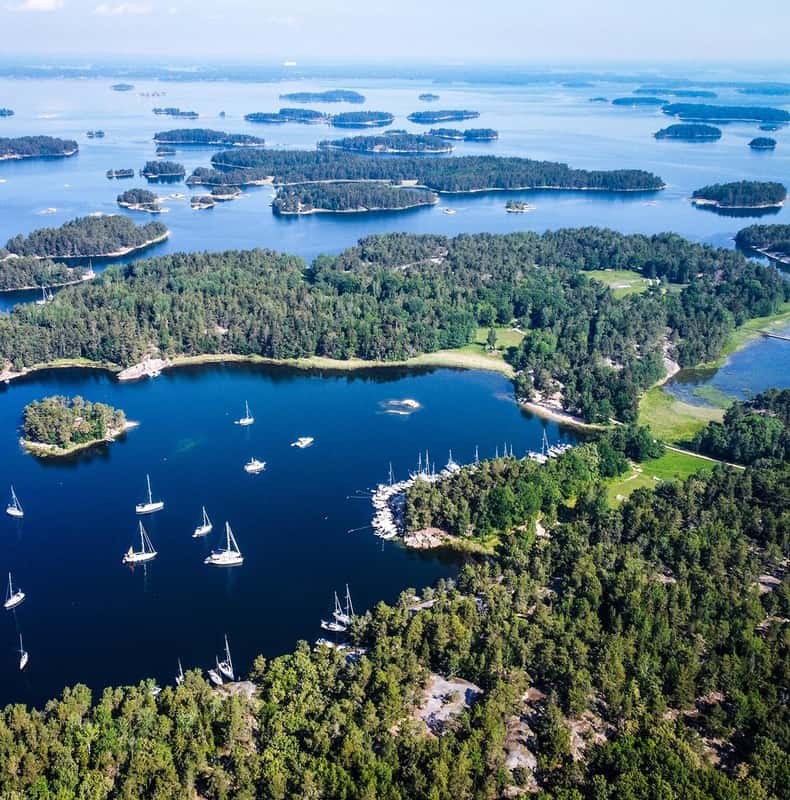
Guided Stockholm Archipelago Islands Tour
Ninety minutes past the nearest islands, for anyone who wants the names without the day.
From $33 per person
Check Availability