Fitting the Stockholm Archipelago Into Your Trip
A morning, half a day, a whole day or two of them. Each shape reaches different water and costs a different amount of your trip. Here is what each one looks like hour by hour, and where it fits around the rest of Stockholm.
In this guide
- How much of a Stockholm trip should the archipelago take?
- What a spare morning buys you
- What does a half day look like, hour by hour?
- What does a full day add?
- When do two archipelago days make sense?
- The four trip shapes compared
- Morning or afternoon?
- Which day of your trip should it be?
- What to do with the other half of the day
- Where lunch fits
- Fitting it around a cruise call or an Arlanda flight
- What a first-timer should not attempt
- Frequently asked questions
How much of a Stockholm trip should the archipelago take?
Between a morning and a day, for almost everybody. The archipelago is the reason Stockholm sits where it does, and seeing none of it leaves the city half-explained. Giving it two days out of three, on the other hand, means missing the city that the water is wrapped around.
A useful rule: one archipelago outing per three nights. On a two-night trip take a cruise. On a four-night trip take a cruise and, if the weather cooperates, a full day as well.
What a spare morning buys you
More than it sounds. Leave the quay at nine or ten, take the shortest guided cruise, and you are back in the city by lunch having seen the inner channels, the first islands and the working boats that use them.
Door to door this costs about three hours including the walk to the quay and a sensible buffer. It is the cheapest way to have been on the water, and it leaves the afternoon entirely free for the museums on Djurgarden or a walk through Gamla Stan.
The trade is distance. Ninety minutes cannot reach open water, and nothing in this shape of day puts you on an island.
What does a half day look like, hour by hour?
Two versions, and they answer different wants.
Half a day afloat. Walk to Strandvagen for eleven, board the lunch cruise at berth 15, and spend two and a half hours crossing the inner archipelago with a hot main course and a table you keep. You are back on the quay by two, fed, with the afternoon open.
Half a day ashore. Meet at Blasieholmen, take the ferry out to Vaxholm, walk the town with a guide for an hour, sit down for fika, then take the ferry back. Four and a half hours, of which about ninety minutes is on land.
The first gives you more water and a proper meal. The second gives you the only town landing on offer, at the cost of two slow ferry legs.
What does a full day add?
Immersion, and a swim. Full days are not longer cruises — they are a different activity. Both kayak options and the sailing day put you in the landscape rather than alongside it, landing on islands, eating outdoors and getting wet on purpose.
The clock is honest about the commitment. Eight or nine hours plus travel is the day, and there is no version where you also see a museum afterwards. In exchange you get five and a half hours of paddling, or a full day under sail with a skipper who expects you to help.
Full days are also the trips that cap hardest: eight paddlers, nine sailors. They are the first things to sell out in July.
When do two archipelago days make sense?
When you have four nights or more, and when the two days do different jobs. A cruise and a kayak day complement each other; two cruises do not.
The pairing that works best is a short guided cruise early in the trip and an active day later. The cruise gives you the geography and the names, so the paddling day arrives with context. It also gives you a weather hedge: if one day is poor, the other is likely better.
There is a second pairing worth knowing about, and it costs almost nothing. Take a 90-minute cruise on one day and the Vaxholm ferry excursion on another. Together they run under $100 per person, and between them they cover both halves of the archipelago experience: the water seen from a deck, and a town seen on foot.
What does not work is two versions of the same trip. Three-hour cruises from neighbouring berths follow overlapping channels, and the second one adds a little distance rather than a new day. If the budget stretches to only one long trip, spend it on the format you have not tried.
Spread the two days apart if you can. Consecutive days on the water in the same weather system give you one forecast twice; a gap of two days gives you two chances at a still morning.
The four trip shapes compared
| Trip shape | Door to door | How far you get | What you give up | From |
|---|---|---|---|---|
| A spare morning | About 3 hours | The inner channels | Open water, and any island | From $29 |
| Half a day afloat | About 4 hours | Inner and middle water | Standing on an island | From $57 |
| Half a day ashore | About 5 hours | Vaxholm and the ferry route | Distance — the ferry is slow | From $67 |
| A full day | 8 to 9 hours | Open water, islands, a swim | The rest of the city that day | From $145 |
| Two days | Two full days | Both a cruise and a paddling day | A day of Stockholm itself | From $29 |
Door-to-door figures include getting to the quay and a check-in buffer of ten to fifteen minutes.
Morning or afternoon?
Morning for comfort, afternoon for light.
Before noon the water is at its flattest, the boats are quietest and the day is still ahead of you. That matters more than it sounds if anyone in the party is prone to seasickness, though the inner archipelago is sheltered enough that most people never notice.
Late departures buy the light. In June the sun sets close to ten and the sky never fully darkens, which turns an evening cruise into the best-looking two hours of the trip. In September the low sun does the same job an hour or two earlier.
Which day of your trip should it be?
The one with the best forecast, which is an argument for keeping it flexible rather than booking it on arrival.
Avoid the first day if you are flying in: luggage, jet lag and an unfamiliar city do not combine well with a quay you have never found before. Avoid the last day if you have an afternoon flight, because a boat that runs late is a boat you cannot leave.
Free cancellation up to 24 hours ahead makes this easy to manage. Book the day you want, watch the forecast, and move it if the wind turns.
What to do with the other half of the day
Stay on the water side of the city and the day keeps its shape.
- After a morning cruise from Strandvagen: walk the waterfront to Djurgarden, which is ten minutes away and carries most of the city's museums.
- After a Gamla Stan departure: the old town is directly behind the quay, and it is best in the early afternoon before the evening crowd.
- After the Vaxholm ferry: Blasieholmen puts you beside the National Museum and a short walk from Kungstradgarden.
Where lunch fits
Three ways, in rising order of effort.
Let the boat feed you. The lunch cruise serves a freshly prepared main with a choice of meat, fish or vegetarian, picked at the table. The historic ship includes a Swedish fika, and the kayak and sailing days feed you on an island.
Eat before you sail. A late breakfast near the quay costs nothing in time and means the whole cruise is spent looking rather than queueing at a counter.
Eat afterwards, properly. Toast Skagen is the dish the archipelago is ordered by, and the waterfront restaurants near every departure quay serve it.
Fitting it around a cruise call or an Arlanda flight
Cruise passengers have the tighter window. A 90-minute or two-hour departure from Gamla Stan is the safe choice, because the quays sit within walking distance of the city centre and the return time is fixed. Anything with a van transfer is too much risk for a ship that will not wait.
Flying out the same day is workable with a morning cruise and nothing longer. Arlanda is about forty minutes from the centre by train, so a boat back at noon leaves a comfortable margin for an afternoon flight. A full day does not.
What a first-timer should not attempt
Three plans that look reasonable on paper and do not survive contact with the timetable.
- A full day plus an evening plan. Nine hours outdoors ends with an early night, not a restaurant booking.
- A public-ferry island hop with no return time checked. The last boat back is the whole plan, and it is earlier than you think outside high summer.
- Two long trips on consecutive days in poor weather. Take one, watch the sky, and book the second when the forecast earns it.
Pick the shape of your day first
Durations, quays and starting fares for every departure, so the trip fits the hours you have rather than the other way round.
Frequently asked questions
Is the Stockholm Archipelago worth a full day?
Can you do the archipelago in half a day?
Should I go on my first day in Stockholm or my last?
Is a morning or an afternoon cruise better?
Can I fit two archipelago trips into one day?
Tours that fit each shape of day
The tight one, the half day that feeds you, and the full day on the water.
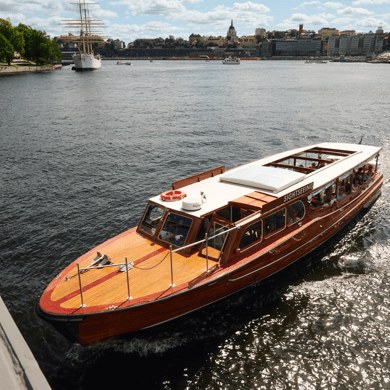
Guided Stockholm Archipelago Tour by Classic Wooden Boat
105 minutes from Gamla Stan — the tightest shape that still counts as a real trip out.
From $39 per person
Check Availability
Stockholm Archipelago Cruise with Lunch (Guided)
Two and a half hours with a hot main course, so the boat handles lunch as well as the view.
From $57 per person
Check Availability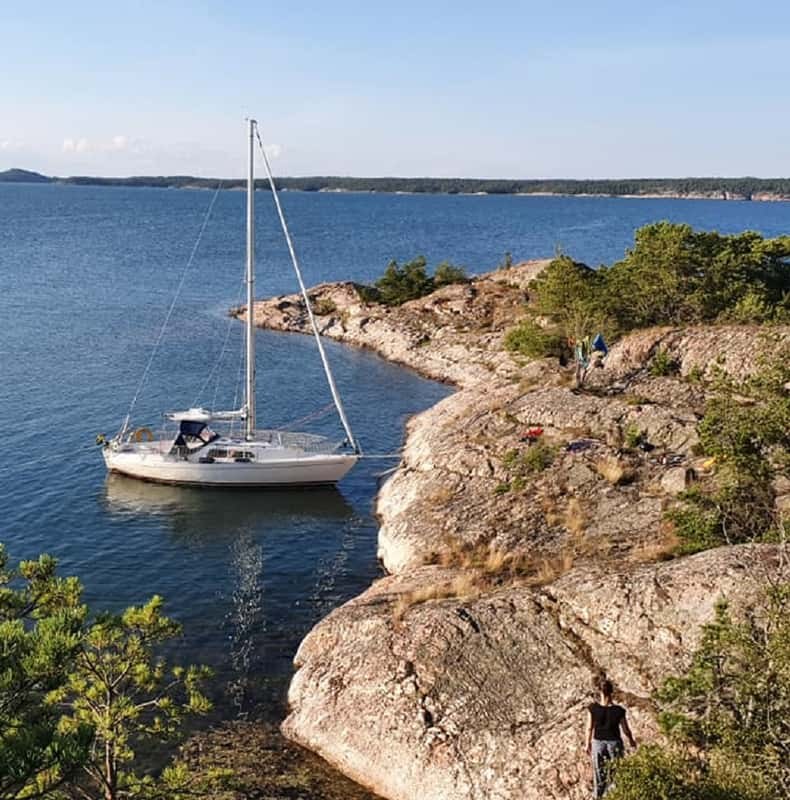
Stockholm Archipelago Sailing with Island Hang and City Pickup
Van to the coast, a skipper who lets you steer, and an island mooring at the far end.
From $172 per person
Check Availability